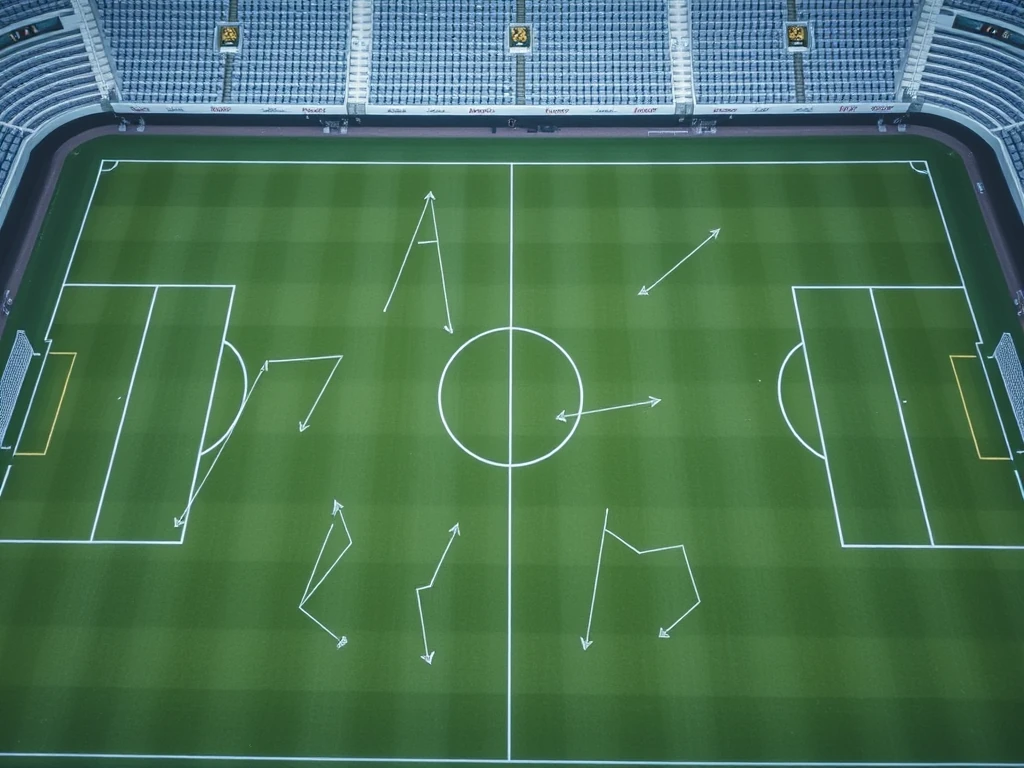
"Flexibility is key in modern football," stated manager David Wagner after Norwich City's latest match. His approach is evident in the team's attacking shape which has evolved significantly this season. Currently, Norwich operates primarily with a 4-2-3-1 formation, but Wagner has shown a willingness to adapt based on the opponent.
The role of T. Adelusi in the attacking midfield has become key. His dribbling skills and vision provide the creative spark needed to link midfield with the forwards. In recent games, he has frequently dropped deeper to help build play, a strategy that has allowed players like P. Diallo to exploit the spaces left behind.
The wingers, usually A. Ahmed and Z. Baumann, are proving key in stretching the opposition's defense. Their ability to maintain width creates opportunities for late runs into the box, a tactic that has been successful in creating goal-scoring chances. This dynamic approach was particularly effective against Rotherham United, where Norwich created numerous clear opportunities in the first half.
Norwich's attacking statistics are impressive. With an average of 15 shots on goal per match, they are already ranked among the top teams in the league for offensive strength. Yet, it's their adaptability that truly stands out. Against defensive setups, the tweaks orchestrated by Wagner invite creativity and unpredictability, allowing Norwich City to capitalize on any areas of weakness.
As the team matures further into the season, fans will be eager to see how this tactical flexibility translates into results. Given the current form and cohesion, Norwich City may be on track for a thrilling finish to the Championship campaign.