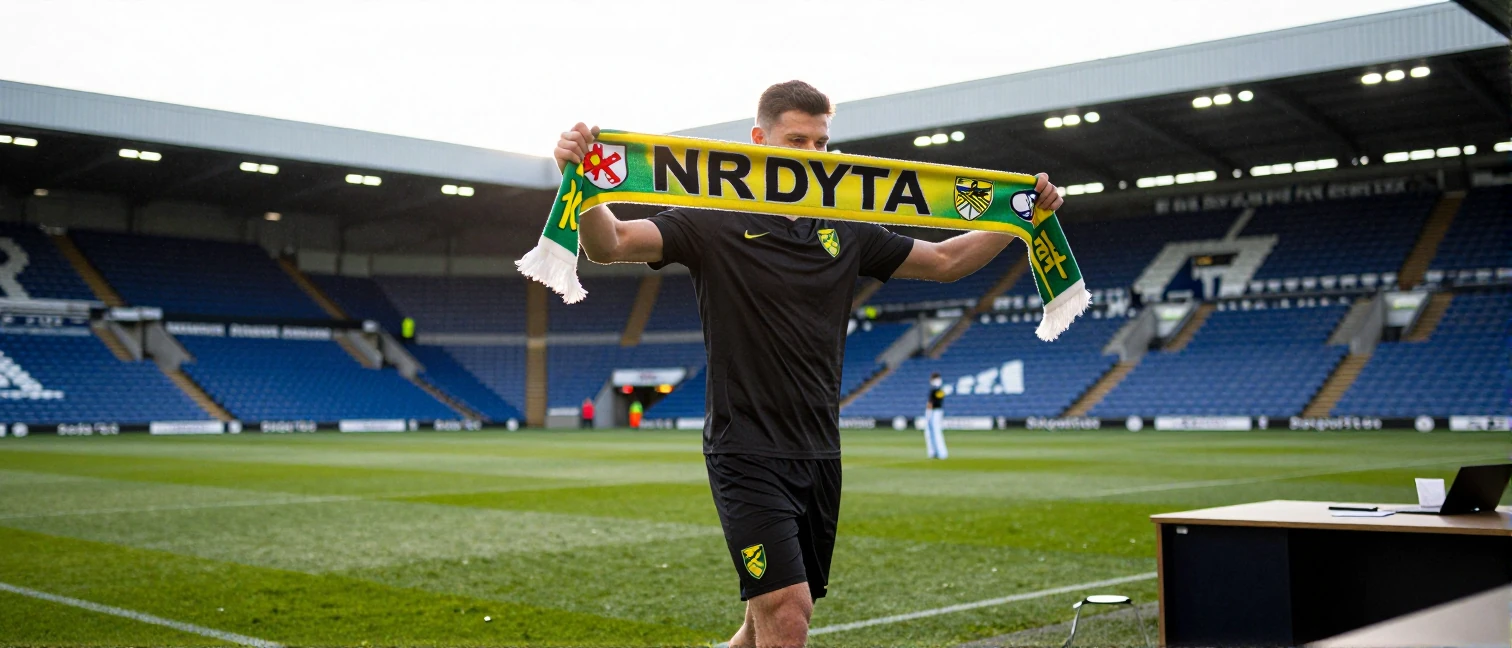
Norwich City is now wrestling with the Championship’s Squad Cost Ratio (SCR) rules, a financial framework that ties every pound spent on wages, transfers and agents to the club’s revenue. Finance guru Kieran Maguire warns that the club’s ambitious summer market will be tested by the new ceiling, especially as owner Mark Attanasio shoulders a string of losses.
The SCR model forces clubs to match squad costs with income, effectively capping how much owners can inject without breaching the ratio. For Norwich, the lack of parachute payments means the ceiling sits lower than for clubs receiving the roughly £50 million safety net. Maguire notes that Norwich posted a £40 million loss in 2024‑25, £21 million the season before and £27 million two years earlier, with a Covid‑era loss of about £39 million. Those deficits have been covered by player sales and Attanasio’s cash injections, but the SCR will now scrutinise every fee.
Attanasio, who arrived with deeper pockets, has already funded a £15 million boost that can be spread over two years. Yet Maguire points out that this money will be absorbed by other costs, leaving little room for a spending spree. The club’s recent signings - Andre Brooks for £8 million, plus Sam Field and Bruno Alves - sit comfortably within the tighter budget, but each deal now carries clauses to defer payments and protect the SCR position.
Norwich sit 9th in the Championship with 65 points, a record of 19 wins, 8 draws and 19 losses from 46 games, and a recent form of LDWWL. They have scored 63 goals and conceded 56, a +7 goal difference, yet remain 30 points adrift of leaders Coventry. With midfielder Ante Crnac currently sidelined, the squad’s depth is under pressure. The SCR constraints could limit further reinforcements, meaning the club must extract more from the players already on the books.
Maguire expects clubs with parachute payments to benefit, as their first‑year parachute income sits close to £50 million, giving them a larger SCR cushion. Norwich, however, will need to negotiate creative payment structures - sellers will push for upfront cash, buyers will seek deferrals. The balance of power will hinge on how Attanasio and the board manage cash flow while staying within the ratio. If they can stretch the £15 million injection wisely, Norwich might still add value without breaching the SCR. Otherwise, the club could face a slowdown in activity, forcing a reliance on academy talent and strategic loan deals.
The SCR era has arrived, and Norwich City’s financial playbook is being rewritten in real time. The next few months will reveal whether Attanasio’s resources can keep the club competitive without triggering regulatory alarms.